What a $60 Loaf of Bread Teaches Us About Value-Based Pricing
A bakery from Austria just opened in SoHo, New York, and the internet is losing its mind over the price tag. Is it really overpriced though?

The bread that broke the internet
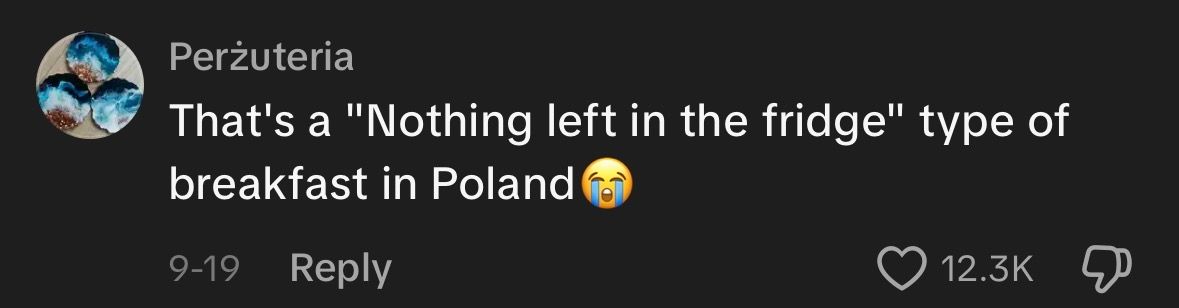
An Austrian baker Martin Auer just opened a branch in SoHo, New York, selling his signature product, a 1.5kg rye sourdough loaf, for $60. The same bread, same recipe, same four ingredients, same brand, costs only €14 in Vienna, Austria. Naturally, the internet is outraged. People all over Europe are teasing New Yorkers for paying such a huge sum for a single loaf of bread and $10 to $14 for a quarter of a slice of bread with spreads like Nutella and butter.


While we might think the prices are outrageous here in Austria, the queues outside the bakery in New York tell a different story. Is it really price gouging, like some of the comments suggest, or is this just how pricing works?
What changed and what didn't
The product is identical. Austrian rye flour, water, salt, a 57-year old starter and time. What changed is the location, the context, the customer, and the story around the product. This is a core pricing lesson that we as creatives are already familiar with. The value of something is not static, it is determined by the context in which it is sold and the person who is buying it.
Let’s look at an example from the creative industry. The same logo, the same website, the same brand strategy does not cost the same for every client in every context, or at least it shouldn’t.
Location as a pricing signal, not just a cost factor
The obvious explanation for the price difference is cost: New York rent is higher, New York wages are different, ingredients need to be imported, all of which drive the price up. That's a real factor don’t get me wrong, but location does something more than just change operating costs, it signals value before the customer even buys the product.
SoHo is not just an expensive neighbourhood. It is a neighbourhood associated with a certain kind of quality, taste, and willingness to pay. It is home to a certain type of customer with entirely different expectations than here in Austria. Opening a branch there is about brand strategy just as much as it is about location.
For creatives: where you position yourself changes what clients expect to pay before you ever name a number. The language you use, the clients you reference, the way you present your work, all of it is SoHo vs Vienna in the metaphorical sense.
The power of a niche
Martin Auer runs 40+ bakeries in Austria selling a full range of products. In New York they sell one thing. That single product focus is a positioning strategy. Sure we might have rye bread in every bakery and supermarket here in Austria, but in New York it’s something special. A basic product in a different location, becomes unique because the context changes.
In addition, radical focus creates perceived mastery. It says: we are so confident in this one thing that we built an entire concept around it, and you pay for that expertise.
For creatives: what would it look like to build your positioning around the one thing you do better than anyone else? And then do it somewhere where no one else can offer the same? Suddenly the value of your work goes up even though the actual work you do hasn’t changed.
The outrage versus the queue
The people complaining online that $60 for bread is outrageous are not the customers. Online perception doesn’t represent the success of a product. Customers are queuing, influencers are rushing to make content about it, the $60 bread is selling.
Which brings us to one of the most important lessons in pricing: the people who object to your price are often not your people. It doesn’t mean your prices are too high, or that your work isn’t worthy, it means your positioning - your filter - is working. Pushback on price gives you useful information about your target group, and it means you've found the edge of your market.
For creatives: when a client says your price is too high, the answer is not to lower it, sometimes it's to recognise that this client was never going to be the right fit and move on.
What you're really paying for
The bread is four ingredients. What you're paying for is four generations of craft, a 57-year-old starter, organic Austrian grain shipped across the Atlantic, a two-tonne German oven, and buying into a story that makes all of that feel worth it. Value-based pricing is not about charging more for the same thing. It also isn’t about price gouging. It is about understanding what you are actually selling, which is almost never just the deliverable.
For creatives: a logo is not a logo. A website is not a website. They are the result of years of experience, taste, and judgment that your client cannot replicate with a brief and a template. And who you are selling to, what market they are in, who THEIR customers are, are all factors that should determine your price.
What we can learn from the $60 bread
Martin Auer is not apologising for the price. He is not discounting to attract more customers. He is not trying to convince the people in the TikTok comment section that the bread is worth it. He built a good product, put it in a context that supports a high price tag, told a story that justifies it, and let the market prove him right. That is a successful positioning and pricing strategy.
Knowing what your product is worth is the starting point. Understanding the context, the positioning, and the story around it is what makes people actually want to pay for it.
Share
Sign up to our newsletter
Get our latest blog posts straight to your inbox by signing up to our newsletter.
By subscribing, you agree to receive emails from us. You can unsubscribe at any time.